Risk of Pregnancy
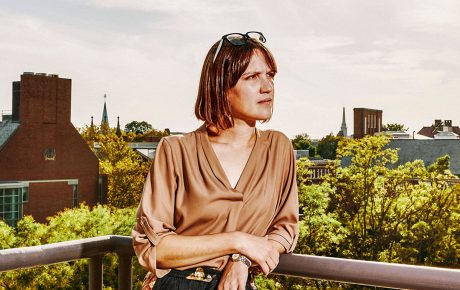
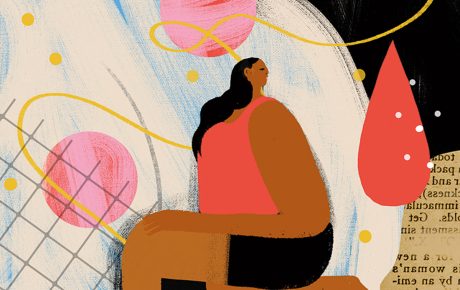
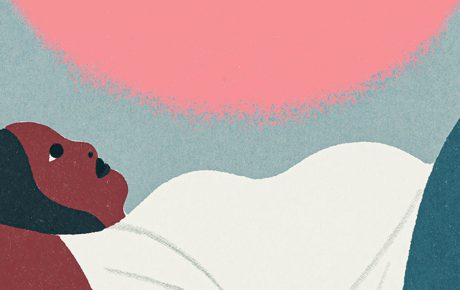
Abortion bans pose significant risks to pregnant women


Abortion bans pose significant risks to pregnant women
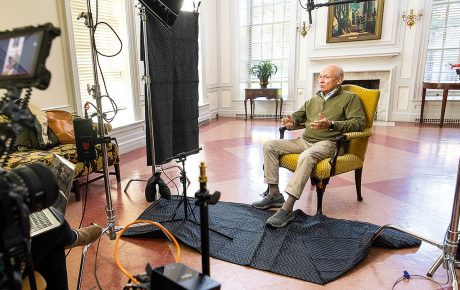
Peter Howitt, Brown professor emeritus of economics, awarded the 2025 Nobel Prize.
AI in mental health care could go very wrong. That’s why researchers are prioritizing it.
Can AI solve the universe’s greatest mysteries? These professors are trying to find out.
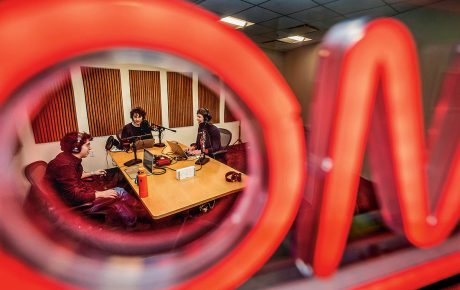
A Brown-based podcast fights climate-change overwhelm, one “let’s break this down” episode at a time.
Sickle cell, which primarily affects Black people, has been ignored for years. Researchers are coming up with better ways to treat it.
Brown’s canine cognition lab is not just a walk in the park.
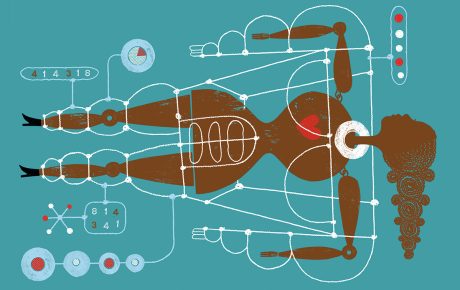
Experts are moving past biological sex to “precision medicine” that takes each individual patient—whatever their gender—into account.
The rise in ADHD diagnoses has researchers asking what’s behind it—and whether it's really such a bad thing
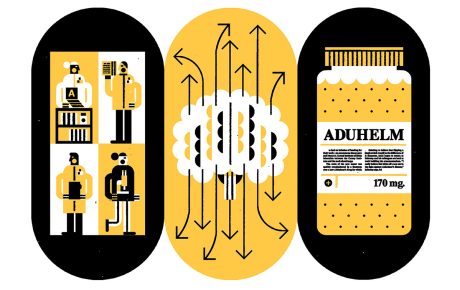
Treatment, much less cure, has been elusive. Brown scientists are on the case.
Technology and new questions bring long-studied archaeological sites to life.
“Undone science” refers to data that have been ignored while other research gets done. Partly in the name of racial justice, some Brown folks are working to bring that information to light.
First-person accounts are often ignored in official histories of global crises. Holocaust scholar and history professor Omer Bartov explains why that’s a mistake.
Why do we remember, why do we forget, and why can’t we forget when we want to?
Experiments with coding animal genes stand to teach us a lot about ourselves.
Can CS majors save the world? The founders of a student startup think so.
It may allow corporations to know more about you than you’d like—but it can also be a force for good.
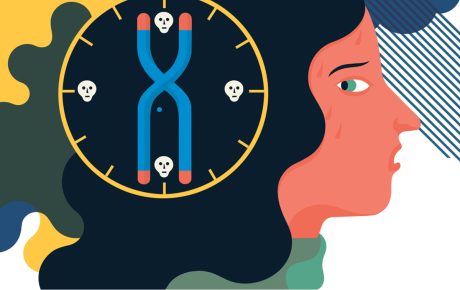
Brown scientists search for keys to living longer—and better.
Can we get ready for a surge in the need for eldercare, before it’s too late?
Working on it—with tools ranging from microbicides to dating apps.
Your microbiome—the bacteria, fungi, viruses, and parasites that live in your body—could save your life someday.